
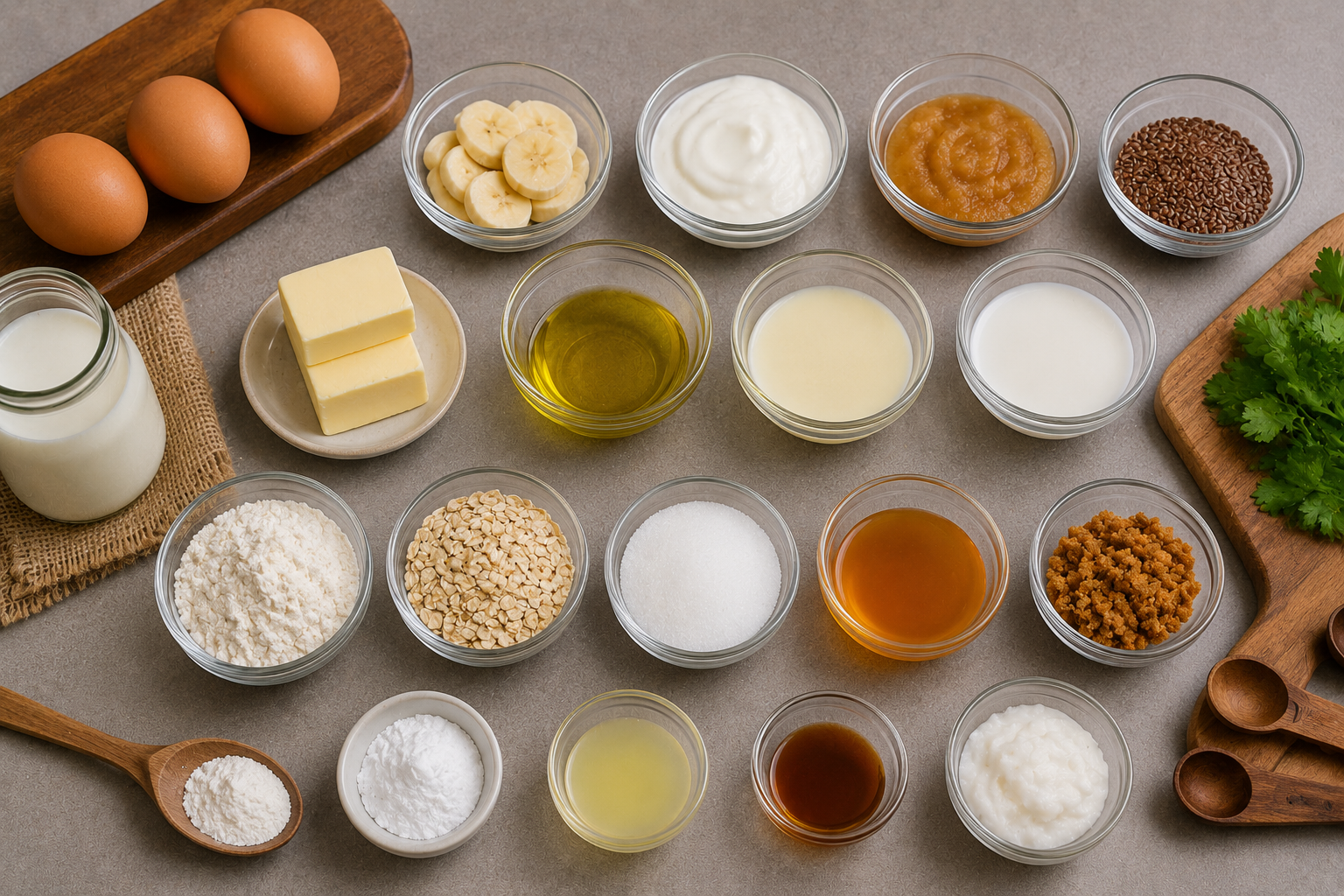
Every home cook has faced this situation: you’re ready to cook, you follow a recipe, and suddenly you realise you’re missing one important ingredient. Maybe it’s eggs, baking powder, butter, or even a spice you rarely use. Instead of stopping everything and running to the store, the smarter solution is knowing simple ingredient substitutes that actually work.
This guide will help you understand practical kitchen replacements that save time, reduce stress, and keep your cooking on track. These substitutions are beginner-friendly, widely used, and suitable for everyday cooking without compromising taste or texture.
Why Ingredient Substitutes Matter in Everyday Cooking
Cooking is flexible, and not every recipe needs to be followed rigidly. Ingredient substitutions give you freedom and confidence in the kitchen.
Key benefits of using substitutes:
- Saves time when ingredients are missing
- Reduces unnecessary grocery trips
- Helps avoid food waste
- Makes cooking more flexible and creative
- Builds confidence for beginner cooks
Instead of stopping your cooking process, substitutes allow you to adapt and continue smoothly.
Understanding How Ingredient Substitution Works
Before jumping into replacements, it’s important to understand why substitutions work in the first place.
Every ingredient has a role:
- Moisture: Adds softness (milk, yogurt, water)
- Structure: Holds food together (eggs, flour)
- Flavor: Enhances taste (spices, herbs)
- Fat content: Adds richness (butter, oil)
- Leavening: Helps food rise (baking powder, baking soda)
When substituting, you are simply replacing the function, not just the ingredient itself.
Egg Substitutes That Actually Work in Cooking and Baking
Eggs are one of the most commonly used ingredients, but they are also one of the easiest to replace.
Best egg substitutes:
1. Mashed Banana
- ½ banana replaces 1 egg
- Adds moisture and mild sweetness
- Best for pancakes, muffins, and cakes
2. Yogurt
- ¼ cup yogurt replaces 1 egg
- Helps with softness and texture
- Works well in baking recipes
3. Flaxseed Mix
- 1 tablespoon flaxseed + 3 tablespoons water = 1 egg
- Great for binding in baked goods
4. Applesauce
- ¼ cup applesauce replaces 1 egg
- Adds moisture without strong flavor
Simple tip:
Egg substitutes work best in baking, not in dishes that require egg structure, like omelettes.
Milk Substitutes for Cooking and Baking
Milk is a basic kitchen ingredient, but several alternatives can work just as well.
Common milk substitutes:
1. Water + Butter
- 1 cup milk = 1 cup water + 1 tablespoon butter
- Works in cooking and baking
2. Yogurt + Water
- Mix yogurt with water for a creamy substitute
- Best for sauces and marinades
3. Plant-Based Options
- Almond milk, oat milk, or soy milk
- Ideal for baking and beverages
Pro tip:
For a richer taste, always choose substitutes with similar fat content.
Butter Substitutes That Keep Flavor Intact
Butter adds richness, but it’s easy to replace depending on your recipe.
Effective butter substitutes:
1. Vegetable Oil
- 1 cup butter = ¾ cup oil
- Great for baking and frying
2. Margarine
- Direct 1:1 replacement
- Works well in most recipes
3. Yogurt or Applesauce
- Adds moisture in baked goods
- Helps reduce fat content
Important note:
Oil-based substitutes make baked goods softer but slightly less rich in flavour.
Flour Substitutes for Everyday Cooking
Flour is essential in many recipes, but different types can be replaced based on availability.
Flour alternatives:
1. Whole Wheat Flour
- Healthier alternative to white flour
- Slightly denser texture
2. Rice Flour
- Gluten-free option
- Best for frying and light baking
3. Oat Flour
- Made by grinding oats
- Works well in cookies and pancakes
Beginner tip:
Always adjust liquid content when switching flours.
Sugar Substitutes for Sweetness Without Complication
Sugar is used for sweetness, but several natural alternatives work just as well.
Popular sugar substitutes:
1. Honey
- Sweeter than sugar, so use less
- Adds natural flavor
2. Jaggery
- Traditional sweetener
- Rich in flavor, slightly earthy
3. Maple Syrup
- Works in baking and beverages
- Adds caramel-like taste
Simple guideline:
Use less liquid sweeteners when replacing sugar in baking recipes.
Baking Powder Substitutes for Perfect Rise
Baking powder helps food rise, but you can easily replace it.
Reliable substitutes:
1. Baking Soda + Lemon Juice
- ¼ teaspoon baking soda + ½ teaspoon lemon juice = 1 teaspoon baking powder
2. Baking Soda + Vinegar
- Works similarly for cakes and pancakes
3. Yogurt + Baking Soda
- Combines acidity and leavening effect
Tip:
Always mix substitutes quickly and bake immediately for best results.
Spice Substitutes to Save Your Recipe
Spices add flavour, but sometimes you may not have the exact one required.
Common spice substitutes:
1. Chili Powder Substitute
- Paprika + cayenne pepper mix
2. Garlic Powder Substitute
- Fresh garlic or garlic paste
3. Cumin Substitute
- Ground coriander with a pinch of chili
4. Oregano Substitute
- Mixed Italian herbs or basil
Smart cooking tip:
Use smaller amounts when trying new spice combinations.
Vegetable Substitutes for Everyday Cooking
Sometimes recipes call for vegetables you don’t have on hand.
Easy vegetable swaps:
1. Onion Substitute
- Leeks or shallots
2. Tomato Substitute
- Tomato paste or canned tomatoes
3. Carrot Substitute
- Sweet potatoes or pumpkin (for texture in cooking)
Important note:
Vegetable substitutes may slightly change flavour but still maintain structure.
Oil Substitutes for Healthier or Flexible Cooking
Oil is a key cooking ingredient, but there are several alternatives depending on the dish.
Good oil substitutes:
1. Butter
- Adds rich flavor
- Best for sautéing and baking
2. Coconut Oil
- Works in baking and frying
- Adds mild sweetness
3. Applesauce
- Used in baking for moisture instead of fat
Cooking tip:
Choose substitutes based on flavour compatibility with your dish.
Cream Substitutes for Richness in Recipes
Cream is often used in sauces and desserts, but it can be replaced easily.
Cream alternatives:
1. Milk + Butter
- Simulates richness of cream
2. Yogurt
- Adds thickness and tangy flavor
3. Coconut Milk
- Works well in desserts and curries
Simple advice:
Always adjust consistency when using lighter substitutes.
Salt Substitutes for Balanced Flavor
Salt enhances flavour, but in some cases, alternatives can be used.
Salt alternatives:
1. Soy Sauce
- Adds salty and umami flavor
2. Herbs and Spices
- Basil, oregano, garlic powder for flavor enhancement
3. Lemon Juice
- Brightens taste without sodium
Beginner tip:
Use substitutes carefully to avoid overpowering the dish.
How to Choose the Right Substitute Every Time
Choosing the right substitute depends on understanding the role of the ingredient.
Simple decision guide:
- If ingredient adds moisture → use yogurt, milk, or water
- If ingredient adds structure → use flour or eggs substitute
- If ingredient adds flavor → use spices or herbs
- If ingredient adds richness → use oil, butter, or cream alternatives
Golden rule:
Focus on function, not exact replacement.
Common Mistakes to Avoid When Using Substitutes
Many beginners make simple mistakes that affect the final result.
Mistakes include:
- Using incorrect ratios
- Ignoring texture differences
- Replacing without understanding function
- Overusing strong-flavored substitutes
- Not testing small amounts first
Simple solution:
Always experiment in small batches before full cooking.
Building Confidence with Ingredient Substitutions
Once you understand substitutions, cooking becomes more flexible and less stressful.
How to improve:
- Start with simple recipes
- Practice one substitute at a time
- Keep a small substitution list in your kitchen
- Learn from trial and error
Over time, you’ll naturally know what works best.
Conclusion
Learning simple ingredient substitutes that actually work is one of the most practical kitchen skills you can develop. It saves time, reduces stress, and helps you cook even when your pantry isn’t fully stocked.
From eggs and milk to spices and baking ingredients, there are always reliable alternatives that can keep your cooking on track. The key is understanding the function of each ingredient rather than just replacing it blindly.
With practice, you’ll become more confident, flexible, and creative in the kitchen—turning missing ingredients into simple solutions instead of cooking problems.
FAQs
1. What is the best universal ingredient substitute in cooking?
Water, yoghurt, and oil are some of the most flexible substitutes depending on the recipe’s needs.
2. Can I always replace eggs in baking recipes?
Yes, in most cases. However, the substitute depends on whether the egg is used for binding, moisture, or structure.
3. Do substitutes change the taste of food?
Sometimes slightly, but most substitutions are designed to maintain similar taste and texture.
4. Are ingredient substitutes safe for everyday cooking?
Yes, they are commonly used in kitchens worldwide and are safe when used correctly.
5. How do I know which substitute to use?
Understand the role of the missing ingredient—moisture, flavour, or structure—and choose a substitute with the same function.