
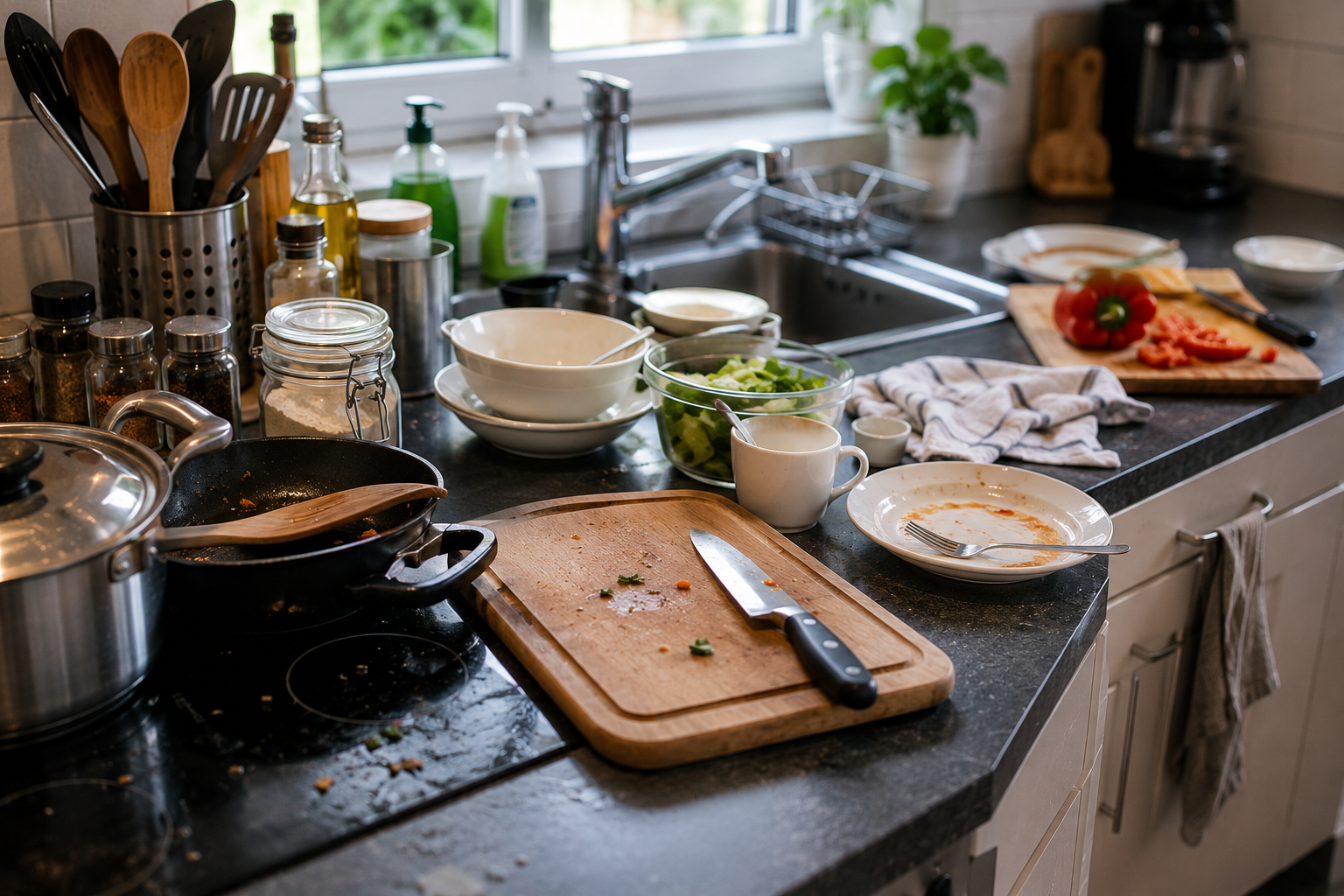
A busy kitchen is a wonderful thing. It means meals are being cooked, snacks are being shared, and daily life is happening. But with constant activity comes a common challenge: clutter. Dishes pile up, counters fill with random items, cabinets become crowded, and suddenly cooking feels stressful instead of enjoyable.
The good news is that avoiding kitchen clutter doesn’t require perfection or constant cleaning. It requires smart systems, simple habits, and thoughtful organisation that fits real life. This guide will help you build a clutter-resistant kitchen that stays functional even during the busiest days.
Understanding Why Kitchen Clutter Builds Up So Fast
Kitchens are used more than almost any other room in the home. Multiple tasks happen here every day, often at the same time.
Common causes of kitchen clutter include:
- Too many tools and gadgets
- Poor storage placement
- Lack of quick cleanup habits
- Overcrowded countertops
- Disorganized pantry and cabinets
Clutter builds up when items don’t have a clear home or when daily routines don’t support quick resets.
The “Less Is Easier” Mindset for Busy Kitchens
The simplest way to prevent clutter is to reduce the number of items in your kitchen. Fewer items mean fewer things to clean, store, and manage.
Ask yourself:
- Do I use this regularly?
- Does this tool make cooking easier?
- Do I own duplicates?
Items often safe to remove:
- Single-use gadgets
- Duplicate utensils
- Broken or worn-out tools
- Rarely used appliances
A streamlined kitchen is easier to maintain every day.
Keeping Countertops Clear and Functional
Countertops are the first place clutter appears and the hardest to maintain.
Keep only essentials on counters:
- Knife block or magnetic strip
- Utensil holder
- Cutting board
- One or two frequently used appliances
Remove:
- Decorative clutter
- Rarely used gadgets
- Excess containers
Clear counters create more workspace and reduce visual stress.
Creating Storage That Works With Your Routine
Storage should match how you actually use your kitchen, not how it looks in magazines.
Store items near their point of use:
- Cooking utensils near the stove
- Prep tools near the cutting area
- Cleaning supplies near the sink
- Dishes near the dishwasher
This reduces unnecessary movement and encourages items to be returned quickly.
Using Zones to Keep the Kitchen Organized
Kitchen zones make it easier to keep items grouped and accessible.
Essential kitchen zones:
- Prep zone
- Cooking zone
- Cleaning zone
- Storage zone
When each zone has dedicated tools and storage, clutter has fewer opportunities to spread.
Building the Habit of Cleaning as You Cook
One of the biggest clutter triggers is leaving all cleaning until the end.
Simple clean-as-you-go habits:
- Wash tools during cooking breaks.
- Return ingredients immediately after use.
- Wipe counters while waiting for food to cook.
- Load dishes into the dishwasher as you go.
These small actions prevent large messes from forming.
Organizing Cabinets to Prevent Overflow
Overfilled cabinets lead to clutter spilling onto counters.
Cabinet organisation tips:
- Use shelf risers and dividers.
- Store heavy items in lower cabinets.
- Place everyday items at eye level.
- Keep rarely used items higher up.
Organised cabinets make daily use easier and prevent overcrowding.
Managing Paper and Non-Kitchen Items
Busy kitchens often become drop zones for mail, keys, and random household items.
Prevent non-kitchen clutter:
- Create a small entry drop zone outside the kitchen.
- Use a basket for incoming mail.
- Store keys and bags near the entrance.
Keeping non-kitchen items out reduces clutter significantly.
Creating a Quick Daily Reset Routine
A short daily reset keeps clutter from building up.
5–10 minute reset checklist:
- Wipe countertops
- Put tools back in place
- Wash or load dishes
- Take out trash if needed
Consistency keeps clutter from returning.
Reviewing and Refreshing Your Kitchen Regularly
Even the best systems need occasional adjustments.
Every few months:
- Remove unused items
- Rearrange storage based on habits
- Replace worn tools
- Improve storage solutions
Regular reviews keep your kitchen functional long-term.
Conclusion
Avoiding clutter in a busy kitchen is not about constant cleaning or perfection. It’s about creating systems that support your daily routine. By reducing excess items, organising storage thoughtfully, building simple habits, and resetting your kitchen daily, you can maintain a clutter-free space even during the busiest weeks. A clutter-resistant kitchen saves time, reduces stress, and makes cooking more enjoyable for everyone.
FAQs
1. How long does daily kitchen maintenance take?
Most kitchens can stay organised with 5–10 minutes of daily effort.
2. What is the fastest way to reduce kitchen clutter?
Start by clearing countertops and decluttering unused items.
3. How often should I declutter the kitchen?
A quick review every 3–6 months keeps clutter under control.
4. Can a busy family maintain an organised kitchen?
Yes. Simple systems and shared habits make it possible.
5. Do small kitchens get cluttered more easily?
Yes, but they also benefit the most from smart organisation.