
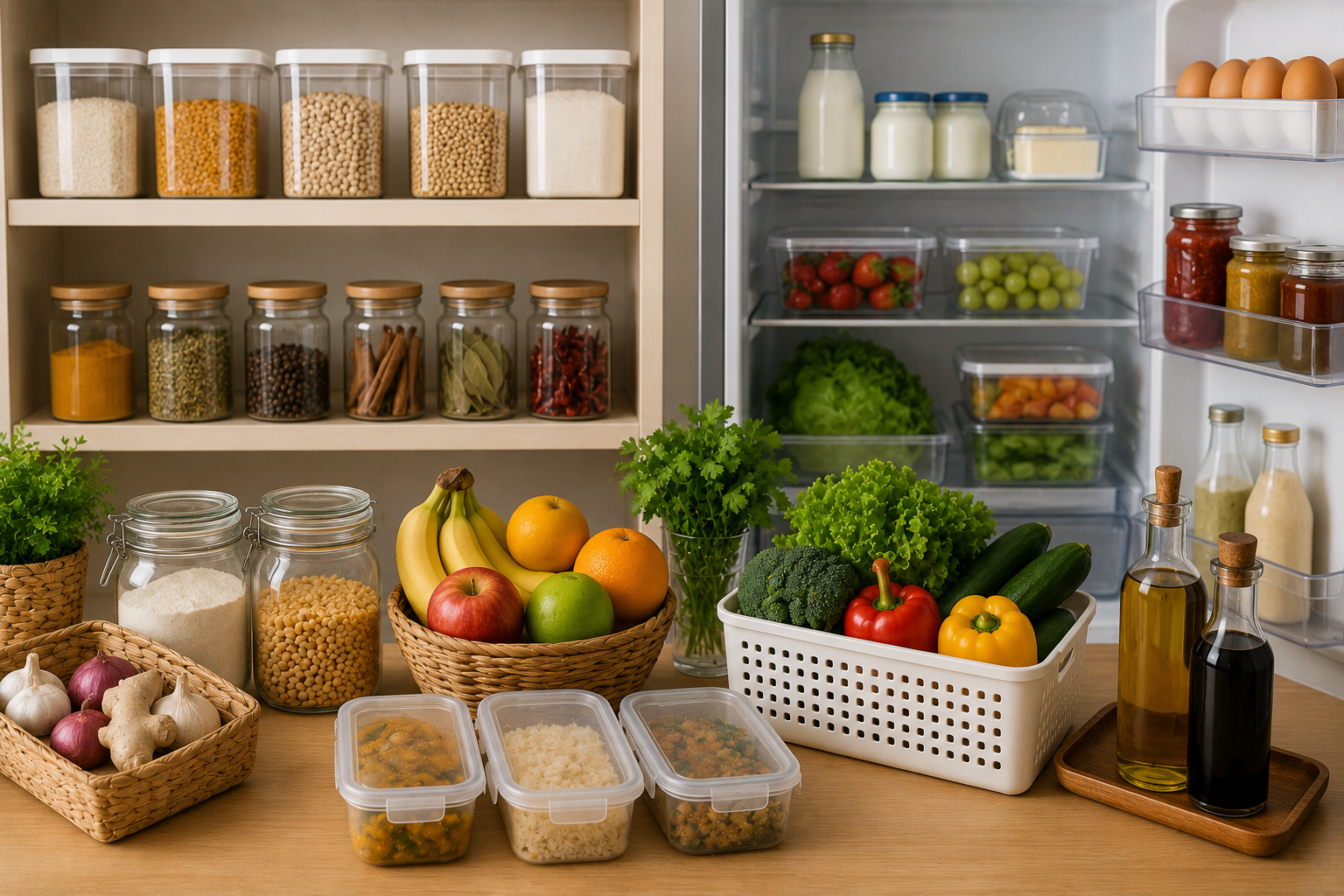
Keeping food ingredients fresh for longer is one of the biggest challenges in any home kitchen. Many people buy groceries with good intentions, but within a few days, vegetables wilt, spices lose aroma, and pantry items go stale. This leads to unnecessary food waste, repeated shopping trips, and extra expenses.
The good news is that learning how to store ingredients properly to keep them fresh longer is simple. With a few smart habits and storage techniques, you can extend the life of your groceries, save money, and make cooking much more convenient.
In this guide, you’ll discover practical, beginner-friendly ways to store different types of ingredients so they stay fresh, flavorful, and usable for longer periods.
Why Proper Ingredient Storage Matters in Everyday Life
Proper storage is not just about organization—it directly affects your cooking experience and budget. When ingredients are stored correctly, they last longer, retain their taste, and reduce waste.
Key benefits of proper storage:
- Reduces food spoilage and waste
- Saves money on frequent grocery shopping
- Keeps ingredients fresh and flavorful
- Improves cooking convenience
- Helps maintain a clean and organized kitchen
Many people underestimate storage, but it plays a major role in how efficient your kitchen is every day.
Understanding the Basics of Food Freshness
Before learning storage methods, it’s important to understand what affects freshness.
Main factors that impact ingredient freshness:
- Temperature: Heat speeds up spoilage
- Moisture: Too much or too little can damage food
- Air exposure: Oxygen causes oxidation and staleness
- Light: Direct sunlight reduces shelf life
- Hygiene: Dirty storage areas lead to faster spoilage
Once you understand these factors, you can easily control how long your ingredients last.
How to Store Dry Ingredients Properly
Dry ingredients like rice, flour, lentils, and sugar are kitchen essentials. If stored properly, they can last for months without losing quality.
Best storage practices for dry ingredients:
- Use airtight containers to block moisture
- Keep containers in a cool, dry place
- Avoid direct sunlight exposure
- Label containers with purchase dates
Common dry ingredients and storage tips:
1. Rice and Lentils
- Store in sealed jars or containers
- Add bay leaves to naturally reduce pests
- Keep away from heat sources
2. Flour
- Store in airtight containers
- Keep in a dry cupboard
- Avoid humidity to prevent clumping
3. Sugar and Salt
- Store in moisture-proof containers
- Keep away from water or steam areas like sinks
Proper dry storage helps maintain texture and prevents contamination.
Storing Fresh Vegetables for Maximum Shelf Life
Vegetables spoil quickly if not handled properly, but smart storage can significantly extend their freshness.
General vegetable storage tips:
- Wash only before use, not before storing
- Keep vegetables dry to prevent mold
- Separate ethylene-producing fruits from vegetables
- Use perforated bags for airflow
Refrigerator storage guidelines:
Leafy Greens
- Wrap in paper towels to absorb moisture
- Store in breathable bags or containers
- Keep in the crisper drawer
Root Vegetables (carrots, potatoes, onions)
- Store in a cool, dark place
- Avoid plastic bags for long-term storage
- Keep potatoes away from onions
Tomatoes and Cucumbers
- Store at room temperature if uncut
- Refrigerate only after cutting
These small adjustments can extend vegetable freshness by several days or even weeks.
Proper Storage of Fruits to Prevent Early Ripening
Fruits are sensitive to temperature and ripening gases, so proper storage is essential.
Key fruit storage tips:
- Store unripe fruits at room temperature
- Refrigerate ripe fruits to slow down spoilage
- Keep ethylene-producing fruits separate
- Avoid stacking fruits too tightly
Examples:
- Bananas release gas that speeds up ripening
- Apples can accelerate ripening of nearby fruits
- Citrus fruits last longer in cool storage
Simple trick:
Use separate fruit baskets for fast-ripening and slow-ripening fruits.
How to Store Spices to Preserve Aroma and Flavor
Spices are essential in cooking, but they lose their aroma if not stored correctly.
Best practices for spice storage:
- Use airtight glass jars
- Keep away from heat and sunlight
- Avoid storing near stove or oven
- Label spices for easy identification
Common spice storage mistakes:
- Leaving spice packets open
- Using wet spoons in spice jars
- Exposing spices to humidity
Storage tip:
Whole spices last longer than ground spices, so grind only when needed for the best flavor.
Dairy Products Storage Tips for Everyday Use
Dairy products require careful storage because they spoil quickly if not handled properly.
Milk storage:
- Always refrigerate immediately after purchase
- Keep tightly sealed
- Avoid leaving outside for long periods
Yoghurt storage:
- Store in coldest part of refrigerator
- Keep container sealed to maintain freshness
- Avoid frequent temperature changes
Butter and cheese:
- Wrap butter properly to avoid odor absorption
- Store cheese in airtight containers
- Keep away from strong-smelling foods
Proper dairy storage helps maintain taste and safety in daily cooking.
How to Store Cooking Oils and Liquids Safely
Cooking oils and liquids can go bad or lose quality if exposed to light and heat.
Oil storage tips:
- Store in dark glass bottles or containers
- Keep away from heat sources
- Close lids tightly after use
Vinegar and sauces:
- Store in cool pantry or refrigerator (if required)
- Always check expiration dates
- Avoid contamination from utensils
Important note:
Heat and sunlight can break down oil quality, so proper placement is essential.
Storing Leftovers Safely and Effectively
Leftovers are common in every kitchen, but improper storage can lead to waste.
Best practices for leftovers:
- Cool food before refrigerating
- Use airtight containers
- Label with date and time
- Store in small portions for easy reheating
Refrigerator safety tips:
- Avoid storing leftovers for too many days
- Reheat only once if possible
- Keep raw and cooked food separate
Proper leftover storage reduces waste and makes meal planning easier.
Pantry Organization Tips for Better Ingredient Storage
A well-organized pantry helps you store ingredients efficiently and avoid spoilage.
Pantry organization ideas:
- Group similar items together
- Use transparent containers for easy visibility
- Place older items in front for quick use
- Keep frequently used items at eye level
Labeling system:
- Write item name and purchase date
- Use color-coded labels for categories
- Rotate stock regularly (first-in, first-out method)
A clean pantry saves time and improves kitchen workflow.
Common Storage Mistakes to Avoid
Many people unknowingly shorten ingredient shelf life due to simple mistakes.
Mistakes include:
- Storing all items in the refrigerator unnecessarily
- Mixing raw and cooked foods
- Ignoring container hygiene
- Leaving packaging open after use
- Not checking storage temperature
Simple solution:
Follow basic storage rules and review your kitchen habits regularly.
Smart Kitchen Habits for Long-Term Freshness
Good storage is not just about containers—it’s about daily habits.
Helpful habits to follow:
- Buy only what you need weekly
- Check expiry dates regularly
- Clean storage areas often
- Organize ingredients after every grocery trip
- Use older ingredients first
These habits ensure your kitchen stays efficient and waste-free.
Conclusion
Learning how to store ingredients properly to keep them fresh longer is one of the most valuable kitchen skills anyone can develop. From dry goods and vegetables to spices, dairy, and leftovers, every ingredient has its own storage needs.
By following simple storage techniques—like using airtight containers, controlling temperature, and organizing your pantry—you can significantly reduce food waste, save money, and improve your daily cooking experience.
A well-organized kitchen is not just cleaner; it is smarter, more efficient, and easier to manage. With consistent habits, you’ll enjoy fresher ingredients and smoother meal preparation every day.
FAQs
1. What is the best way to keep vegetables fresh for longer?
Store vegetables in the refrigerator using breathable bags and avoid washing them before storage to reduce moisture buildup.
2. How long can dry ingredients last when stored properly?
Dry ingredients like rice, flour, and lentils can last several months to years if kept in airtight containers in a cool, dry place.
3. Should all fruits be stored in the refrigerator?
No, some fruits like bananas and mangoes are best kept at room temperature until ripe, while ripe fruits can be refrigerated.
4. Why do spices lose their flavor over time?
Spices lose flavor when exposed to heat, air, moisture, and sunlight. Proper airtight storage helps preserve their aroma.
5. What is the safest way to store leftovers?
Cool leftovers quickly, store them in airtight containers, refrigerate immediately, and consume within a few days for best quality.