
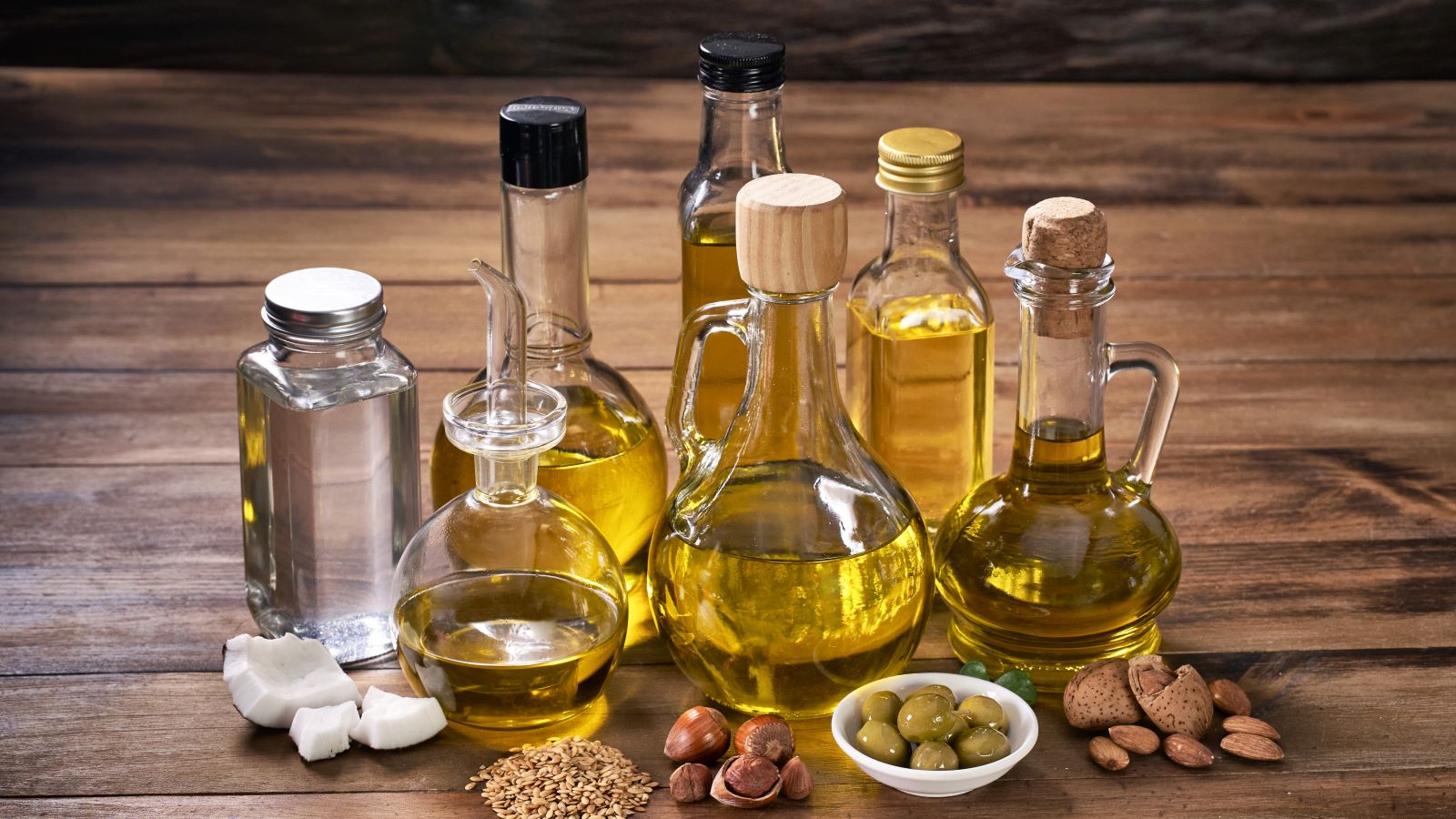
The oil you grab from your pantry should change depending on what you’re cooking. Using the wrong oil at high heat doesn’t just ruin flavour—it can produce harmful compounds. This guide breaks down exactly which oils belong in which cooking scenarios, so you can cook smarter every day.
Walk into any grocery store and you’ll face a wall of cooking oils. Extra virgin olive oil, avocado oil, canola, sunflower, coconut, grapeseed—the choices feel endless. But here’s the truth most home cooks overlook: not all oils are built for the same job. Some thrive under searing heat, while others break down and turn bitter before your pan even gets hot.
The key to choosing wisely is understanding two things: smoke point and fat stability. Once you grasp these, choosing the right oil becomes automatic. Let’s walk through every heat level and match it with the oils that perform best.
What Is Smoke Point and Why Does It Matter?
Smoke point is the temperature at which an oil stops shimmering and starts smoking. At that moment, the oil is breaking down. Free fatty acids and other compounds are being released, creating an unpleasant taste and potentially harmful substances like acrolein. If you’ve ever walked into a kitchen that smells acrid and burnt, you’ve encountered oil that has been pushed beyond its limit.
However, the smoke point is not the only factor to consider. An oil’s fatty acid profile determines how stable it remains under heat. Oils high in polyunsaturated fats have multiple double bonds that break apart easily when heated, making them less stable even if their smoke point seems high. Monounsaturated fats, with just one double bond, handle heat far better. Saturated fats, with no double bonds, are the most heat-stable of all—though they come with their own health considerations.
Pro Tip: Don’t trust smoke point charts alone. A refined sunflower oil might list a high smoke point, but its polyunsaturated fat content makes it less stable than extra virgin olive oil under sustained heat. Match the oil to both the temperature and the cooking duration.
High-Heat Cooking: Searing, Deep-Frying, and Stir-Frying
When your pan is ripping hot or your deep fryer is cranked up, you need oils that can withstand high temperatures. These are your workhorses for crispy fried chicken, golden stir-fries, and perfectly seared steaks.
High-Heat Champions (450°F / 230°C and Above)
- Refined Avocado Oil (520°F): The undisputed king of high-heat cooking. Neutral flavour, rich in monounsaturated fats, and stable enough for any technique you throw at it.
- Refined Safflower Oil (475-500°F): Nearly flavourless and extremely heat-tolerant. A great budget-friendly option for deep-frying.
- Refined Peanut Oil (450°F): Popular in Asian cooking for stir-frying. Note that refined peanut oil is typically safe for those with peanut allergies since the proteins are removed during processing.
- Refined Sunflower Oil (450°F): Neutral and affordable, though best reserved for shorter high-heat tasks due to its polyunsaturated content.
- Canola Oil (400-475°F): The everyday all-rounder. Low in saturated fat, neutral in flavour, and widely available.
Why Avocado Oil Wins at High Heat
Avocado oil isn’t just heat-tolerant—it’s also packed with heart-healthy monounsaturated fats and antioxidants. Unlike many refined seed oils, it retains beneficial compounds even after processing. In your kitchen, if you only keep one high-heat oil, let it be avocado oil.
Medium-Heat Cooking: Sautéing, Baking, and Pan-Frying
Most everyday cooking happens in this zone. You’re not blasting the heat, but you’re not gently warming either. Sautéing vegetables, baking casseroles, and shallow-frying all fall into this category.
Medium-Heat MVPs (350°F – 425°F / 175°C – 220°C)
- Extra Virgin Olive Oil (320-375°F): Yes, you can cook with it. Despite myths, quality extra virgin olive oil is stable enough for sautéing and light pan-frying. Its monounsaturated fat profile and antioxidant content actually protect it during heating.
- Refined Olive Oil (390-470°F): The more heat-tolerant cousin of extra virgin. Use it when you need olive oil flavour with more thermal headroom.
- Refined Coconut Oil (400°F): Solid at room temperature but melts quickly in the pan. Adds a subtle coconut note to baked goods and curries.
- Vegetable Oil (400°F): A blend of various refined oils, typically soybean and corn. Neutral and inexpensive, though highly processed.
- Grapeseed Oil (420°F): Light and neutral, but high in omega-6 fatty acids. Best used in moderation.
Here’s a practical reality: if you’re sautéing onions for a pasta sauce or baking a sheet-pan dinner, extra virgin olive oil is your best friend. It’s the cornerstone of the Mediterranean diet, repeatedly linked to better heart health and longevity. A landmark study found that replacing just 10 grams of butter daily with plant-based oils was associated with a 17% lower risk of death from all causes.
Low-Heat Cooking: Gentle Sautéing and Light Warming
Sometimes you’re barely cooking at all—softening garlic in oil, warming spices, or gently sweating vegetables. These are moments for oils with character.
Low-Heat Favorites (300°F – 350°F / 150°C – 175°C)
- Unrefined Coconut Oil (350°F): Retains more coconut flavour and nutrients than its refined counterpart. Perfect for light sautéing and tropical-inspired dishes.
- Unrefined Sesame Oil (350°F): Toasted sesame oil in particular brings incredible depth to Asian-inspired dishes. A little goes a long way.
- Butter (302-350°F): Nothing beats real butter for flavour. Use it for gentle cooking, or clarify it into ghee (480°F) for higher-heat applications.
- Unrefined Peanut Oil (350°F): Nutty and aromatic. It is ideal for finishing Southeast Asian dishes.
No-Heat Applications: Dressings, Dips, and Drizzles
This is where unrefined, cold-pressed oils truly shine. Without heat to degrade their delicate compounds, these oils deliver maximum flavour and nutrition.
Raw & Finishing Oils (Below 250°F / 120°C)
- Extra Virgin Olive Oil: The ultimate finishing oil. Drizzle over salads, soups, roasted vegetables, and grilled meats. Its polyphenols and vitamin E remain fully intact.
- Flaxseed Oil (225°F): Incredibly rich in omega-3 fatty acids. Never heat it—use it in smoothies, salad dressings, or as a supplement.
- Walnut Oil (320°F): Nutty and luxurious. Perfect for vinaigrettes and drizzling over finished dishes.
- Unrefined Avocado Oil (350-400°F): While it can handle some heat, its best use is in dressings where its buttery flavour shines.
- Toasted Sesame Oil: A finishing powerhouse. Add a few drops to ramen, stir-fries, or marinades for instant depth.
Quick Reference: Match Your Method to Your Oil
| Cooking Method | Typical Temperature | Best Oil Choices |
|---|---|---|
| Deep-frying, searing, stir-frying | 400°F+ (200°C+) | Refined avocado, safflower, peanut, canola |
| Sautéing, roasting, baking | 325-400°F (160-200°C) | Extra virgin olive oil, refined olive oil, coconut oil |
| Gentle sautéing, warming | 300-350°F (150-175°C) | Butter, unrefined coconut, unrefined sesame |
| Salads, dressings, drizzling | No heat | Extra virgin olive oil, flaxseed, walnut, toasted sesame |
The Health Angle: What Your Oil Choice Means for Your Body
Let’s talk about what happens inside your body, not just inside your pan. The type of fat you cook with has real implications for cardiovascular health.
Researchers consistently link monounsaturated fats—the dominant fat in olive oil, avocado oil, and high-oleic sunflower oil— to reduced inflammation and improved heart health. Organisations like the British Heart Foundation emphasise that swapping saturated fats for monounsaturated options is one of the smartest dietary changes you can make.
Polyunsaturated fats (omega-6 and omega-3) are essential, but balance matters. Most modern diets are overloaded with omega-6 from refined seed oils and under-supplied with omega-3. This imbalance can promote inflammation. If you use sunflower or corn oil regularly, consider adding omega-3-rich flaxseed oil to your rotation.
Saturated fats—found in coconut oil, butter, and palm oil—are heat-stable but should be used mindfully. The Heart Foundation recommends prioritising plant-based unsaturated oils over saturated options for everyday cooking.
Watch Out For: Repeatedly overheating any oil creates harmful by-products. If your oil is smoking heavily, it’s breaking down. Lower the heat or switch to a higher-smoke-point option. Also avoid reusing frying oil multiple times, as each heating cycle degrades it further.
Building Your Everyday Oil Collection
You don’t need a dozen bottles cluttering your pantry. For most households, three well-chosen oils cover virtually every scenario:
The Minimalist’s Oil Trio
- Extra Virgin Olive Oil: Your daily default for sautéing, roasting, and all raw applications. Buy a quality bottle in a dark glass container.
- Refined Avocado Oil: Your high-heat specialist for frying, searing, and stir-frying. Neutral flavour, maximum safety.
- Butter or Ghee: For flavour-first cooking, baking, and finishing. Ghee offers higher heat tolerance with the same rich taste.
From there, you can expand based on your cooking style. Love Asian cuisine? Add toasted sesame oil. Bake frequently? Keep refined coconut oil on hand. Want omega-3s? Grab a small bottle of flaxseed oil for cold use.
Frequently Asked Questions
Can I use extra virgin olive oil for frying?
For shallow frying and sautéing, yes. Quality extra virgin olive oil is more heat-stable than many people realise. However, for deep-frying or prolonged high-heat cooking, refined avocado oil or refined olive oil is a safer choice.
Is canola oil unhealthy?
Canola oil is low in saturated fat and high in monounsaturated fats, making it a heart-healthy option. Concerns about erucic acid are outdated—modern canola contains negligible amounts. It’s a practical, affordable choice for everyday cooking.
What’s the difference between refined and unrefined oils?
Refined oils are processed to remove impurities, flavour compounds, and free fatty acids. This raises their smoke points and makes them neutral in taste, but it also strips away some nutrients. Unrefined oils are cold-pressed or minimally processed, retaining more flavour, colour, and beneficial compounds—but they smoke at lower temperatures.
Should I avoid coconut oil?
Coconut oil is about 90% saturated fat, which is why health organisations recommend using it occasionally rather than as your everyday default. It’s fine for flavour or specific dietary approaches, but unsaturated oils like olive and avocado are better daily choices.
Final Thoughts
Choosing cooking oils doesn’t have to be complicated. Think of your kitchen in heat zones, and assign an oil to each zone. Keep extra virgin olive oil for daily sautéing and finishing, refined avocado oil for high-heat tasks, and a flavourful option like butter or sesame oil for when taste is the priority.
The healthiest approach isn’t about finding one perfect oil—it’s about using the right oil for the right job, avoiding overheating, and embracing variety. Your food will taste better, your kitchen will smell better, and your body will thank you.