
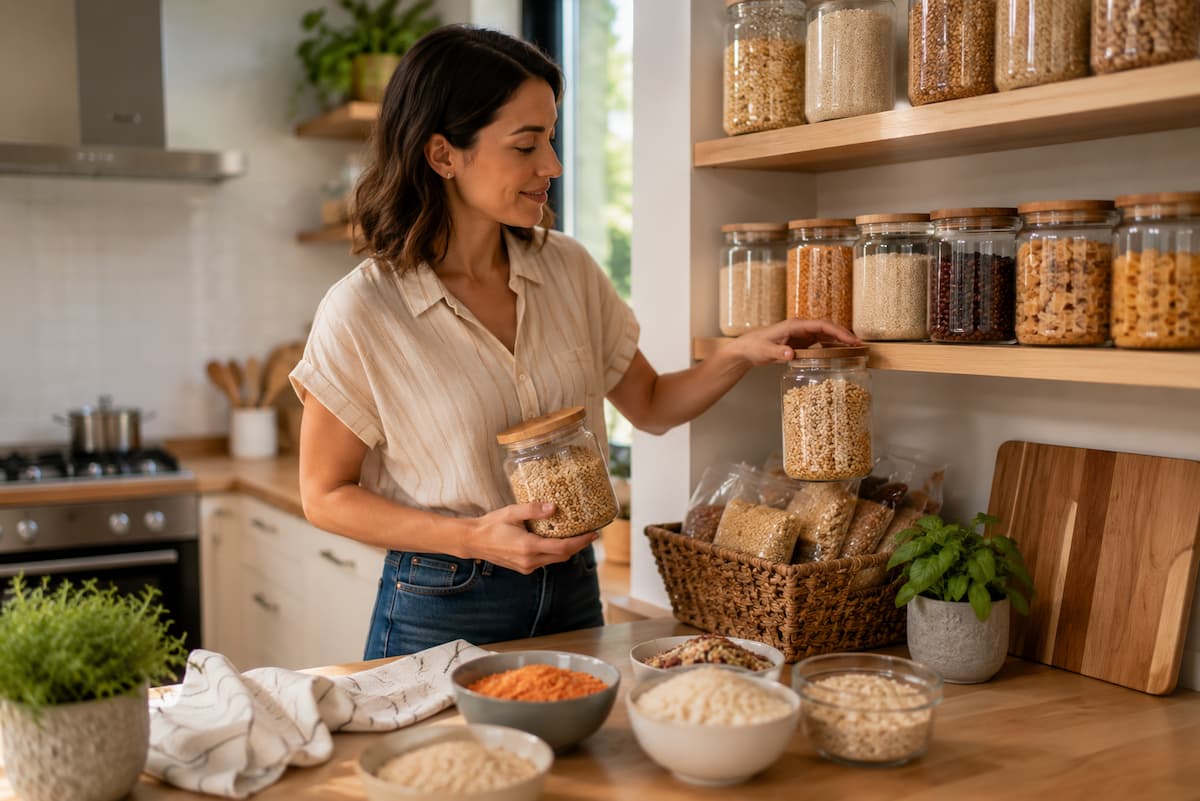
Why Pantry Grains Matter for Quick Weeknight Meals
A well-stocked pantry can remove much of the stress from daily cooking. When you have reliable ingredients available, you do not need to spend extra time deciding what to prepare or making frequent trips to the grocery store. Pantry grains are especially helpful because they are versatile, affordable, and easy to combine with other foods.
Many quick meals are built around a grain base. A bowl of rice with vegetables and protein, a warm quinoa salad, a simple pasta dish, or a grain-based soup can all become complete meals with only a few additional ingredients. Instead of starting from zero every evening, you can create dinner using items already available in your kitchen.
Another advantage of pantry grains is their long shelf life. Unlike fresh foods that spoil quickly, properly stored grains can stay usable for months. This makes them practical for people who have busy schedules, limited shopping time, or want to reduce food waste.
How Grains Help Busy Home Cooks
The biggest benefit of keeping grains at home is flexibility. The same grain can often be used in different ways depending on what ingredients you have available.
- Rice can become a stir-fry, side dish, or rice bowl.
- Oats can be used for breakfast, snacks, or savory meals.
- Quinoa can work in salads, bowls, and simple dinner recipes.
- Couscous can be prepared quickly with vegetables and herbs.
- Barley can add texture to soups and stews.
This flexibility helps reduce the pressure of creating a completely new recipe every night. Instead, you can use a simple formula: choose a grain, add vegetables, include a protein source, and season it according to your preference.
Tip: Choose grains that match your normal cooking habits. A healthy grain that takes too much effort may remain unused in your pantry.
Understanding Different Types of Pantry Grains
Before selecting grains for your pantry, it helps to understand the basic categories. Different grains have different textures, flavors, and cooking requirements. Choosing the right ones depends on how quickly you need meals prepared and what types of dishes you enjoy.
Whole grains contain all parts of the grain kernel, including the bran, germ, and endosperm. Because they are less processed, they usually have more fiber and nutrients compared with refined grains. Refined grains are processed to remove some parts of the kernel, which can create a softer texture and faster cooking time.
Popular Pantry Grain Categories
| Grain Type | Examples | Cooking Time | Best Uses |
|---|---|---|---|
| Quick-Cooking Grains | Couscous, instant oats, bulgur | 5–15 minutes | Fast dinners, salads, breakfast |
| Everyday Grains | White rice, brown rice, quinoa | 15–45 minutes | Bowls, side dishes, meal prep |
| Hearty Grains | Barley, farro, wild rice | 40–60 minutes | Soups, cold salads, filling meals |
| Grain Products | Whole wheat pasta, noodles | 10–20 minutes | Quick comfort meals |
Choosing Between Whole and Refined Grains
Many beginners assume that one type of grain is always better than another. In reality, the best choice depends on your needs. Whole grains are often valued for their fiber content and slower digestion, while refined grains can be useful when you need faster cooking and a lighter texture.
A balanced pantry can include both. For example, keeping brown rice for planned meals and white rice for quick dinners gives you more options. The goal is not perfection but creating a system that helps you cook more often at home.
Common Mistake: Buying unfamiliar grains only because they seem healthy, then leaving them unused. Start with grains you know you will actually cook.
How to Choose Grains Based on Your Cooking Style
The best pantry grains are not necessarily the ones that are considered the most popular. They are the grains that fit your lifestyle and the meals you actually prepare. A grain that matches your cooking habits will save time and prevent unnecessary food waste.
Before buying several types of grains, think about your weekly routine. Do you usually prepare quick meals after work? Do you like meal prepping on weekends? Do you prefer soups, salads, bowls, or traditional dishes? These questions can help you choose grains that will become regular parts of your cooking.
Questions to Ask Before Buying Pantry Grains
- How much cooking time do I usually have on weekdays?
- Do I prefer soft textures or grains with more chew?
- Will I use this grain in more than one type of meal?
- Does my family already enjoy this ingredient?
- Can I store it properly in my kitchen?
For example, someone who comes home late may benefit from quick-cooking grains such as couscous or bulgur. Someone who enjoys preparing meals ahead of time may prefer larger batches of rice, quinoa, or barley because they store well after cooking.
Match Grains With Common Meal Styles
| Cooking Style | Recommended Grains | Reason |
|---|---|---|
| Fast dinners | Couscous, instant oats, quick rice | Ready with minimal preparation |
| Meal preparation | Brown rice, quinoa, barley | Works well for multiple meals |
| Comfort food | Pasta, white rice, oats | Familiar taste and texture |
| Healthy bowls and salads | Quinoa, bulgur, farro | Adds texture and variety |
The most practical pantry is one designed around your real life. A small selection of useful grains is often better than a large collection of ingredients that rarely get used.
Comparing Nutrition and Benefits of Popular Grains
Grains provide important nutrients such as carbohydrates, fiber, vitamins, minerals, and plant-based compounds. However, different grains offer different nutritional profiles. Understanding these differences can help you select grains that support your personal eating goals.
Carbohydrates from grains provide energy for daily activities. Fiber-rich grains may help you feel full longer and support digestive health. Protein content also varies, which can matter when creating balanced meals.
| Grain | Main Benefits | Flavor Profile |
|---|---|---|
| Brown Rice | Good source of fiber and minerals | Nutty and slightly chewy |
| Quinoa | Contains protein and essential nutrients | Mild and slightly earthy |
| Oats | High in soluble fiber | Creamy and mild |
| Barley | Rich texture and fiber content | Earthy and hearty |
| Whole Wheat Pasta | Provides more fiber than refined pasta | Classic pasta flavor |
Creating Balanced Grain Meals
A grain by itself is usually not a complete meal. To create a satisfying dinner, combine grains with other food groups. A simple approach is to build meals using four parts:
- Grain: Rice, quinoa, oats, pasta, or another base.
- Protein: Beans, eggs, fish, chicken, tofu, or lentils.
- Vegetables: Fresh, frozen, or cooked vegetables.
- Flavor: Herbs, spices, sauces, or dressings.
This simple method allows you to create many different meals without needing complicated recipes.
Proper Storage Methods for Pantry Grains
Choosing good grains is only part of creating a useful pantry. Proper storage protects your ingredients from moisture, insects, and loss of quality. Even dry foods need good storage habits to remain fresh.
Basic Grain Storage Rules
- Store grains in a cool, dry place away from direct sunlight.
- Keep grains in sealed containers after opening.
- Label containers with the purchase date.
- Use older packages before opening newer ones.
- Check grains occasionally for unusual smells or signs of insects.
Original packaging is usually fine when unopened, but once a package is opened, transferring grains into airtight containers can make them easier to organize and protect.
Tip: Transparent storage containers help you quickly see what you have, making it easier to plan meals and avoid buying duplicates.
How Long Can Pantry Grains Last?
| Grain | Approximate Storage Life |
|---|---|
| White Rice | Several years when stored properly |
| Brown Rice | Shorter because of natural oils |
| Oats | Many months to over a year |
| Quinoa | About one to two years |
| Pasta | Often one to two years |
Storage times vary depending on packaging, temperature, humidity, and handling. Always follow package instructions and use your senses to check food quality.
Common Mistakes When Buying and Cooking Grains
Many cooking problems happen because of small mistakes during shopping or preparation. Learning these common issues can help beginners get better results with less frustration.
Buying Too Many Different Grains
A common mistake is purchasing many types of grains without a plan. While variety is useful, too many unused ingredients can create clutter and waste. Start with a few reliable options and expand slowly.
Ignoring Cooking Instructions
Different grains require different amounts of water and cooking time. Assuming every grain cooks like rice can lead to poor texture. Always check the instructions, especially when trying a new ingredient.
Not Rinsing Certain Grains
Some grains, such as quinoa, may benefit from rinsing before cooking to remove natural compounds that can affect flavor. Following preparation instructions improves the final result.
Making Too Much Food
Cooking large amounts can save time, but too much prepared grain may go unused. Start with realistic portions and store leftovers safely in the refrigerator.
Warning: Do not leave cooked grains at room temperature for long periods. Store leftovers properly to maintain food safety.
Using Pantry Grains for Simple Weeknight Meal Planning
A pantry grain system works best when combined with simple meal planning. You do not need a strict schedule. A basic plan can help you make faster decisions during busy evenings.
A Simple Weekly Grain Strategy
- Choose one or two grains to prepare ahead.
- Keep quick-cooking grains available for emergencies.
- Combine grains with seasonal vegetables.
- Use leftovers creatively instead of throwing them away.
For example, cooked rice from one dinner can become fried rice the next day. Extra quinoa can become a lunch salad. Leftover barley can be added to soup. Small planning habits can reduce daily cooking stress.
Easy Weeknight Meal Ideas
| Grain | Quick Meal Idea |
|---|---|
| Rice | Vegetable rice bowl with protein |
| Quinoa | Quinoa salad with beans and vegetables |
| Oats | Savory oat bowl with eggs |
| Couscous | Couscous with roasted vegetables |
| Pasta | Whole wheat pasta with simple sauce |
Practical Cooking Tips for Better Grain Results
Small improvements in cooking technique can make grains taste better and have a better texture. These habits are simple but can make a noticeable difference.
- Measure water carefully because too much can make grains soft.
- Allow cooked grains to rest before serving.
- Add flavor by cooking grains in broth instead of plain water.
- Use herbs, spices, or roasted vegetables for more variety.
- Cook extra portions only when you have a plan for leftovers.
Another useful habit is learning how each grain should look when properly cooked. Some grains should be fluffy, while others should remain slightly chewy. Understanding texture helps you avoid overcooking.
Building a Useful Grain Pantry Step by Step
Creating a practical pantry does not require buying every grain available. A better approach is to build your collection slowly and choose ingredients that match your cooking habits. A useful pantry should make life easier, not create extra work.
Start with a few dependable grains that you already enjoy. Once you become comfortable cooking them, you can add new options for variety. This approach helps prevent wasted food and allows you to understand how each grain works in different recipes.
Step 1: Begin With Everyday Grains
The first grains in your pantry should be simple and familiar. These are ingredients you are most likely to use regularly.
- White rice or brown rice for everyday meals.
- Oats for breakfast and quick meals.
- Whole wheat pasta for easy dinners.
- Quinoa or bulgur for salads and bowls.
Step 2: Add Fast-Cooking Options
Busy evenings happen, so having quick options is important. Fast-cooking grains can help when you have limited time or unexpected schedule changes.
Couscous, instant oats, and quick-cooking rice varieties can reduce preparation time. These options are especially helpful for beginners who want homemade meals without spending a long time in the kitchen.
Step 3: Add Variety Slowly
After building a basic collection, experiment with grains that offer different flavors and textures. Try barley for soups, farro for salads, or different types of rice for new dishes.
| Pantry Level | Recommended Grains | Purpose |
|---|---|---|
| Beginner Pantry | Rice, oats, pasta | Simple everyday meals |
| Flexible Pantry | Quinoa, couscous, bulgur | More meal options |
| Advanced Pantry | Barley, farro, specialty grains | Extra variety and experimentation |
How to Save Time by Preparing Grains Ahead
One of the easiest ways to make weeknight cooking faster is preparing grains in advance. Many grains can be cooked ahead and stored for later use. This reduces the amount of work needed when you are tired or busy.
Meal Prep Tips for Grains
- Cook larger portions when you already have time available.
- Allow cooked grains to cool before storing.
- Keep portions separated for easier meal preparation.
- Use prepared grains within a safe storage period.
Prepared grains can become the foundation of many meals. A container of cooked rice can quickly become a lunch bowl, while prepared quinoa can be mixed with vegetables and dressing for a fast meal.
Freezing Cooked Grains
Some cooked grains can also be frozen for later use. Freezing can be useful for people who like preparing meals in batches. Divide grains into practical portions so you only thaw what you need. When reheating grains, adding a small amount of water can help restore moisture and improve texture.
Conclusion
Selecting pantry grains for quick weeknight cooking is about creating a system that makes everyday meals easier. The best grains are not simply the healthiest or most popular choices; they are the ones that fit your schedule, cooking style, and personal preferences.
A practical pantry usually starts with a few reliable staples such as rice, oats, pasta, quinoa, or couscous. These ingredients can support countless meals and help you prepare dinner even when time is limited. By understanding cooking times, storage methods, and basic preparation techniques, you can avoid common mistakes and get better results. Remember that building a useful pantry takes time. Start small, choose ingredients you will actually use, and slowly expand your options. With the right grains available, quick and satisfying homemade meals become much easier to prepare.