
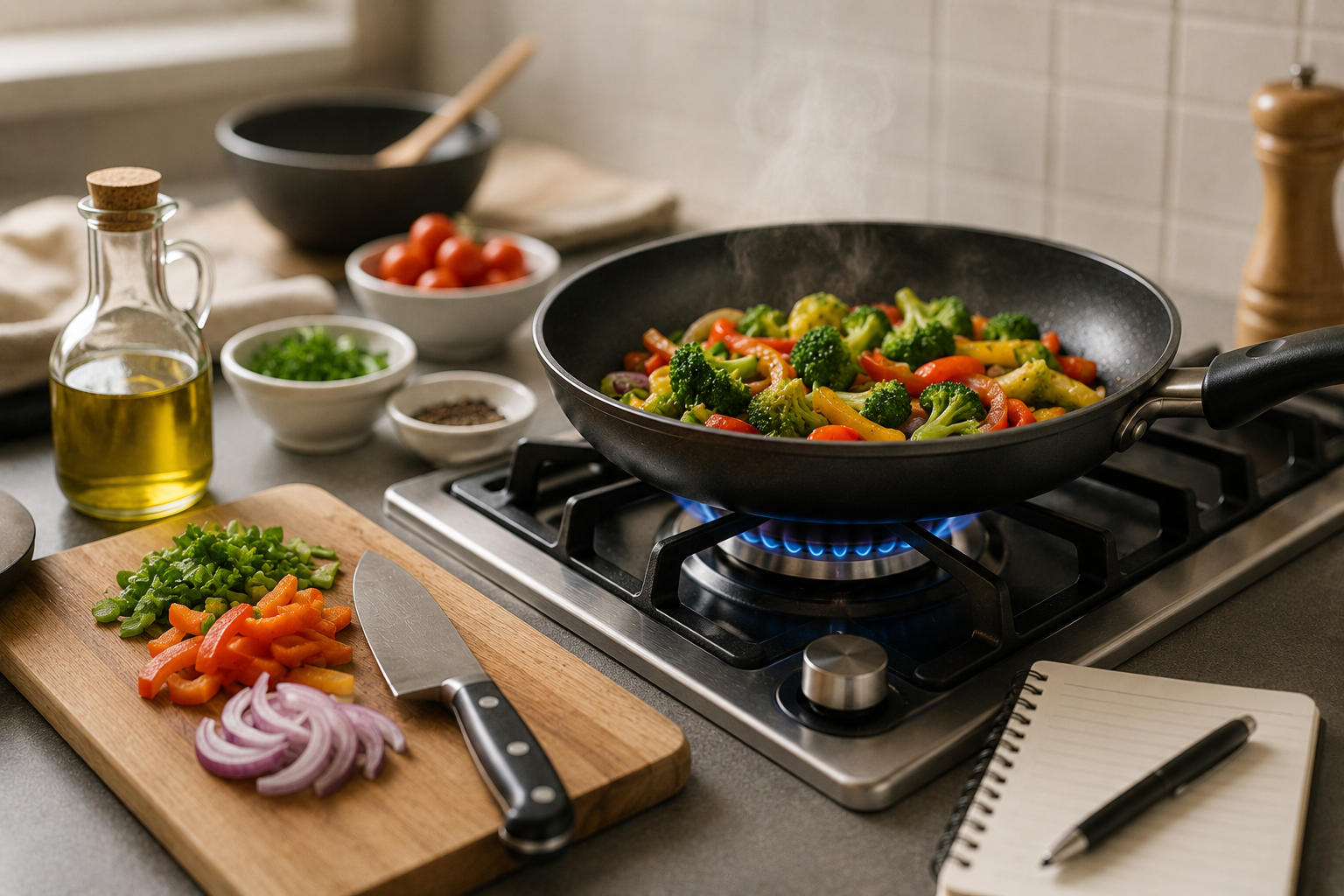
If you’ve ever stood in your kitchen staring at a pan that just ruined a perfectly good meal, you’re not alone. Burning food is one of the most frustrating experiences for beginners and even for people who cook regularly. It feels like things go wrong in seconds—one moment everything looks fine, and the next, it smells like smoke.
The truth is, burning food rarely happens because of unfortunate luck. Most of the time, it’s just poor heat control.
Understanding how heat works in cooking is a key step toward becoming confident in the kitchen. Once you learn how to manage it properly, you’ll notice immediate improvements—not just in preventing burns, but also in flavor, texture, and overall cooking consistency.
This guide will walk you through practical, real-world ways to control heat effectively. No complicated techniques, no chef-level jargon—just simple methods you can apply today to cook better meals without stress.
Why Heat Control Matters More Than You Think
It’s Not Just About Avoiding Burns
Most people think heat control is only about preventing food from sticking or burning. While that’s part of it, it actually affects much more:
- Flavor development
- Texture (crispy vs soggy)
- Even cooking
- Moisture retention
For example, cooking chicken on very high heat might burn the outside quickly while leaving the inside undercooked. On the other hand, too low heat can make food dry and lifeless.
Getting the balance right is what separates average cooking from good cooking.
The Common Beginner Mistake
Many beginners turn the flame too high because they want the food to cook faster. This usually leads to:
- Burnt surfaces
- Raw interiors
- Food sticking to the pan
Understanding the Three Heat Levels in Everyday Cooking
Low Heat: Slow and Controlled
Low heat is perfect for:
- Simmering sauces
- Cooking delicate foods
- Keeping food warm
It allows flavors to develop slowly without burning anything. If your food tends to burn easily, starting on low heat can give you better control.
Medium Heat: The Safe Zone
Medium heat is where most cooking should happen. It’s ideal for:
- Frying eggs
- Cooking vegetables
- Preparing everyday meals
If you’re unsure what heat to use, medium is usually the safest option.
High Heat: Use with Purpose
High heat should be used carefully. It works well for:
- Searing meat
- Boiling water quickly
- Stir-frying
But leaving food unattended on high heat is one of the fastest ways to burn it.
How to Know When Your Pan Is Ready
The Preheating Rule
One of the biggest mistakes people make is adding food to a pan that’s either too cold or too hot.
Here’s a simple method:
- Place your pan on medium heat
- Wait 1–2 minutes
- Add a small drop of water
If the water sizzles gently and evaporates, your pan is ready. If it disappears instantly with aggressive popping, it’s too hot.
This small habit can dramatically reduce burning and sticking issues.
Timing and Attention: The Hidden Skills
Why Walking Away Causes Burnt Food
Cooking is not something you can compentirelyore, especially when using heat. Even a minute of distraction can cause the following:
- Overcooking
- Burning
- Uneven texture
This doesn’t mean you have to stand still—but you do need to stay aware.
Learn to Read Your Food
Instead of relying solely on time, pay attention to the following:
- Smell changes
- Color changes
- Sound (gentle sizzle vs harsh crackling)
These signals tell you more than any timer ever could.
Choosing the Right Cookware Makes a Difference
Not All Pans Handle Heat the Same
Different materials distribute heat differently:
- Thin pans heat up fast but burn food easily
- Heavy pans heat evenly and give more control
If your food burns often, your cookware might be part of the problem.
Non-Stick vs Regular Pans
Non-stick pans are more forgiving for beginners. However, even they can burn food if the heat is too high.
Practical Techniques to Prevent Burning
Start Low, Then Increase Gradually
Instead of starting on high heat, begin with medium or low heat and increase if needed. This gives you control rather than forcing you to react.
Stir and Flip at the Right Time
Leaving food untouched for too long can cause it to burn. But stirring too often can also affect texture.
A good balance:
- Let food sit briefly
- Then check and move it when needed
Use Oil Properly
Oil helps regulate heat and prevents burning. But:
- Too little oil → food sticks and burns
- Too much oil → greasy results
Use just enough to coat the surface lightly.
Managing Heat While Cooking Multiple Things
Avoid Overcrowding the Pan
Putting too much food in one pan:
- Lowers the temperature suddenly
- Causes uneven cooking
- Leads to burning in some areas
Cook in batches if necessary. It takes a bit more time, but it improves results significantly.
Adjust Heat as you go.
Cooking requires ongoing attention. You should:
- Lower the heat if things cook too fast
- Increase the heat if the food is not cooking properly
Learning to adjust heat dynamically is a key skill.
How Heat Affects Different Foods
Vegetables
Vegetables burn quickly because of their natural sugars. Use medium heat and keep them moving.
Meat
Meat needs proper heat control:
- High heat for searing
- Medium or low to cook through
If you only use high heat, you’ll likely burn the outside.
Rice and Grains
These require controlled heat and timing. Too much heat can dry them out or burn the bottom
Building Confidence with Heat Control
Practice with Simple Meals
Don’t start with complex recipes. Try:
- Eggs
- Vegetables
- Simple chicken dishes
These help you understand heat without overwhelming you.
Accept Small Mistakes
Even experienced cooks burn food occasionally. The key is learning from it:
- Was the heat too high?
- Did you leave it unattended?
- Was the pan too hot?
Each mistake teaches you something useful.
Creating a Smooth Cooking Flow
Prepare Before You Start
Having everything ready before turning on the heat reduces panic and mistakes.
- Chop ingredients
- Measure spices
- Keep tools nearby
This helps you focus fully on cooking.
Stay Organized
A clean and organized workspace makes it easier to control heat and timing.
Long-Term Habits That Improve Heart Control
Stop Rushing
Cooking faster doesn’t always mean better. Rushing leads to high heat usage and mistakes.
Learn Your Stove
Every stove is different:
- Some run hotter
- Some take longer to heat
Spend time understanding how yours behaves.
Keep Practicing
Heat control is not something you learn in one day. But with consistent practice, it becomes second nature.
Conclusion
Learning to control heat is one of the most important skills in cooking, yet it’s often overlooked. Many people focus on recipes, ingredients, or techniques, but without proper heat management, even the best recipe can fail.
The good news is that heat control is completely learnable. You don’t need expensive tools or professional training—just awareness, patience, and a bit of practice.
Start by using medium heat more often. Pay attention to your food instead of relying solely on time. Adjust the heat as needed instead of setting it once and forgetting it. These small changes can completely transform your cooking experience.
Over time, you’ll notice something interesting: you stop worrying about burning food. Instead, you start focusing on improving taste, texture, and efficiency. That’s when cooking becomes less stressful and more enjoyable.
FAQs
1. Why does my food burn even on medium heat?
This can happen if your pan is too thin or overheated before adding food. Try preheating gently and using a heavier pan for better heat distribution.
2. Is high heat always bad for cooking?
No, high heat is useful for specific tasks like searing meat. The problem comes from using it constantly and without control.
3. How can I fix food that’s starting to burn?
Immediately lower the heat, move the food around, and if needed, remove the pan briefly from the heat source.
4. Does oil prevent burning completely?
Oil helps, but it doesn’t guarantee anything. If the heat is too high, food can still burn even with oil.
5. How long does it take to master heat control?
It depends on practice, but most people see improvement within a few weeks of consistent cooking and paying attention to heat levels.